FilmsDraft
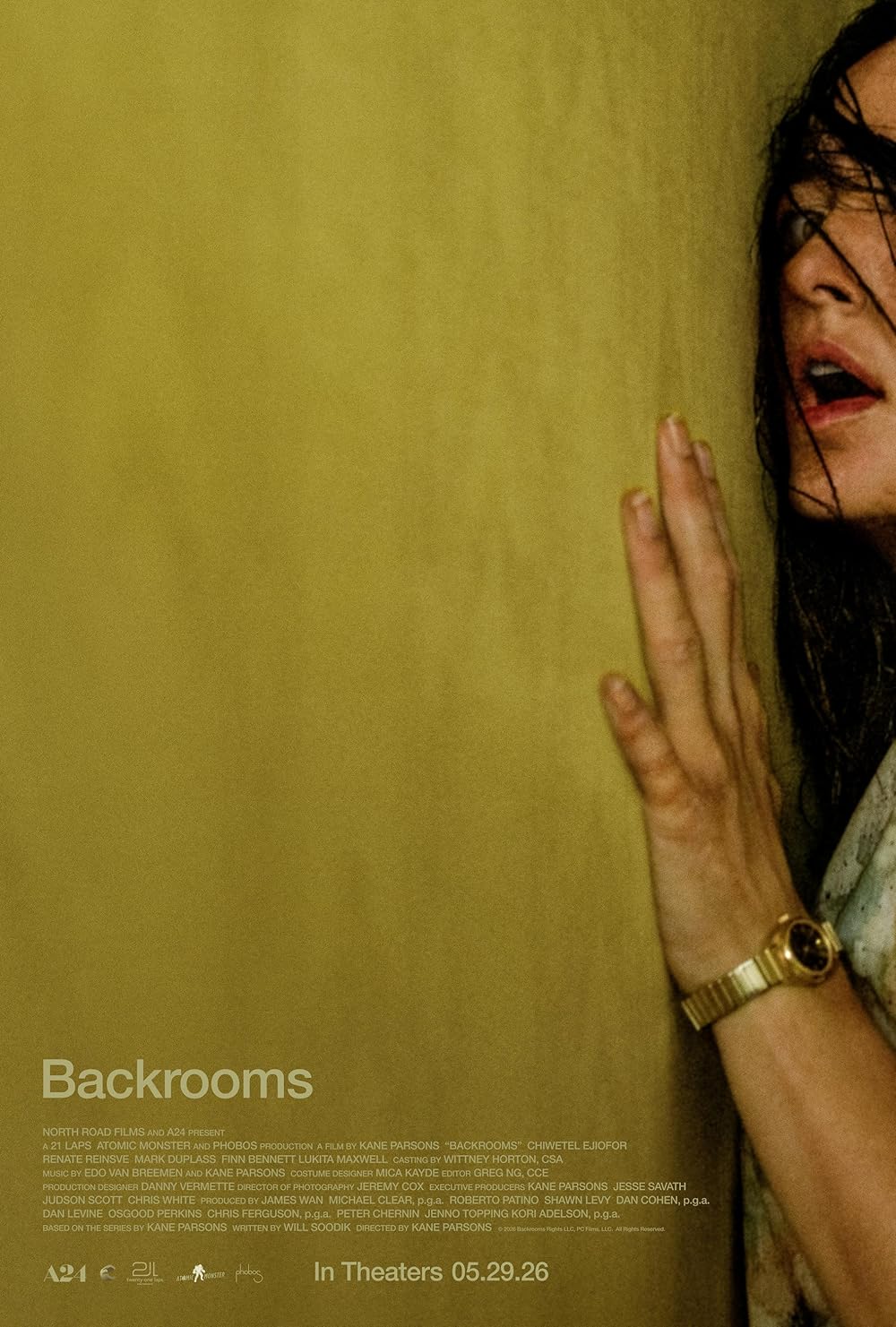
Backrooms
Kane Parsons, Will Soodik
A strange doorway appears in the basement of a furniture showroom.
Psychological HorrorThriller
Colleen Hoover
This review is currently a draft.
Lily and Ryle have a perfect relationships. Ryle is driven and stubborn, impossibly attractive and surprisingly empathetic — the kind of man Lily once chose over her secret first love, the one she was completely crazy about. But when that someone reappears in her life, Lily begins to notice that Ryle is changing — a little more with every passing day.
Mood
Curious
Pacing
Torturing
Aftertaste
Furious and disappointed
Would Revisit
Never
Recommendation
Don't waste your time!
Most plants do need a lot of care to survive. But some things, like trees, are strong enough to do it by just relying on themselves and nobody else.
First, a few quick words about the film adaptation before talking about the book itself. Visually the movie is really pretty and interesting, the cast is good and the performances work. The most positively surprising thing is how similar the actresses playing young Lily (Isabela Ferrer) and adult Lily (Blake Lively) look — great work from the casting director. That’s where the positives end. I’ll get to the idea taken from the book later.
I was really curious about It Ends With Us given all the hype around how good it supposedly is — and of course the film adaptation with Blake Lively. But my curiosity turned into furious shock at how bad this book actually is, and yet how many positive reviews it has. I feel like I read a completely different story. Let’s start from the beginning — spoilers ahead:
Childish writing and techniques: The writing is incredibly poor and boring, crammed with erotic scenes. The author also doesn’t bother with craft and simply has the main character randomly start reading her diaries to tell us about Lily’s past — which is a very lazy technique. I’ve read fanfiction written by teenagers that was much better designed and written than this book.
Illogical things: Lily has a business degree and marketing experience and dreams of starting her own business — but she first buys a space, clears it out, and only then writes a business plan, figures out the concept and design, and does zero marketing, all while panicking that her business will fail and no one will come. It’s like trying to put your pants on over your head. But of course, like in a fairy tale, everything works out perfectly.
Toothpick intelligence: 15-year-old Lily is significantly smarter than 23-year-old Lily. I genuinely don’t know what happened on the way to growing up, but Lily has pretty much regressed. She “allows” random men she met ten minutes ago to joke and laugh about her situation — being beaten by her husband while pregnant — saying it helps her cope with the pain. Girl, what??? Reading the author’s note to readers at the end, it becomes clear that the author, like her heroine, is not exactly sharp herself.
The Strong (rotten) Sex: There isn’t a single normal man in the book. They’re all either weird or potential abusers. Some make strange comments, some joke about Lily’s situation, and everyone is constantly grabbing at her.
The Good Abuser: “Ryle isn’t a monster, just a victim of circumstance!” — the book tells us, because “bad people don’t exist”. He’s such a good abuser that once Lily described a hypothetical future situation involving their daughter, he miraculously stopped! It’s as if the book is saying: “You’re just stupid — just ask the abuser to break up with you and everything will be fine!”. Thanks for the advice, Colleen. Feel free to share that with the victims of domestic violence who were killed or seriously hurt after saying “no” or trying to leave.
Romanticisation of abuse: As we already established, Ryle had an excuse for his behaviour — otherwise why would we be told this whole story? Yes, he beat her and tried to rape her, but he loves her (just in the wrong way), and he said she means the world to him, so he’s actually a good person! Even after Lily decided to leave him, she somehow only considered the worst incidents — the beatings and attempted rape — to be abuse, completely dismissing the stalking and other controlling behaviour that had been going on throughout the entire relationship.
Stupid naivety: Lily decided to leave the child alone with Ryle because she saw how much he loved his daughter and would do anything for her — the same way Lily saw him swear his love for her, tell her she meant the world to him, and claim he wanted her to be happy, none of which stopped him from abusing her. It seems Lily has some serious vision problems. Leaving a child alone with an abuser who can snap at any moment and openly admits he can’t control his emotions is just plain irresponsible.
Alyssa (Ryle’s sister): Seemingly the only somewhat sane character — but even here there’s a problem. When Alyssa found out Ryle was abusing Lily, she decided his childhood trauma was a valid enough excuse, so Lily should hear the story, understand, and forgive. This is the same sister who originally warned Lily away from Ryle because he’s an asshole — something apparently everyone already knew.
Obvious misdirection: Despite the author claiming she wrote a book about abuse, it doesn’t feel that way. Ultimately, the abuse is just a plot device to get rid of Ryle — a spicy twist — so Lily can return to her true love and destiny, Atlas. Even the cover and description sell us a love triangle, not a story about abuse.
It’s also interesting that at no point does anyone — the sister, Lily, or even Ryle himself — suggest therapy, given how serious things were (oh right, Ryle decided therapy doesn’t work, so he didn’t go; case closed!).
Ryle doesn’t change at all. He’s the same narcissistic, selfish and manipulative person as before, but the author seems to want us to think he’s grown. In her letter to readers, Colleen writes something like:
“While there was a minimal hope that Ryle would eventually change for the better, it’s never worth taking that risk”.
There was literally not one single hint that he would change. Not one!!!
So the book is either trying to sell us “just leave and it will stop” — shifting all responsibility onto the victim — or “an abuser can change without therapy” — which is complete nonsense, otherwise no rehabilitation programmes would exist.
The author tries to present herself as an all-forgiving, wise woman who understands that the world isn’t black and white and people aren’t simply good or bad. But her writing only confirms that this isn’t wisdom — it’s unfortunately just a lack of intelligence.
This book is a masterclass in how not to write, and what kind of storytelling should never be done. Literally everything is bad — from the writing to the message.
Even though the film adaptation is also full of problems, the book surpasses all possible limits of what should and shouldn't be done. I highly doubt I'll ever read this author again. 2/10 to the book — don't even waste your time, and 7/10 to the movie — and that's being generous!
December 8, 2024Kane Parsons, Will Soodik
A strange doorway appears in the basement of a furniture showroom.
Christopher Nolan, Homer
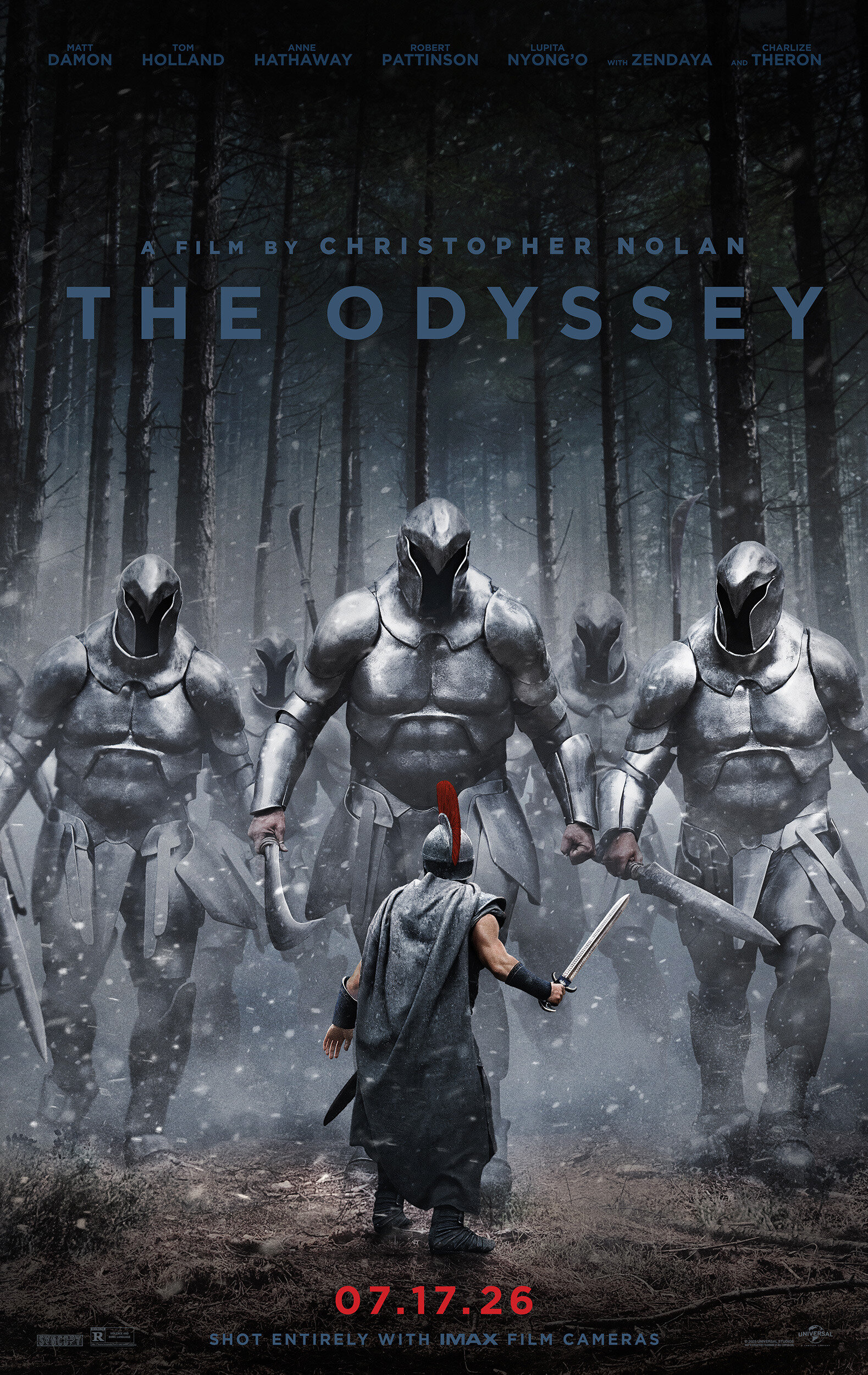
After the Trojan War, Odysseus faces a dangerous voyage back to Ithaca.
Curry Barker
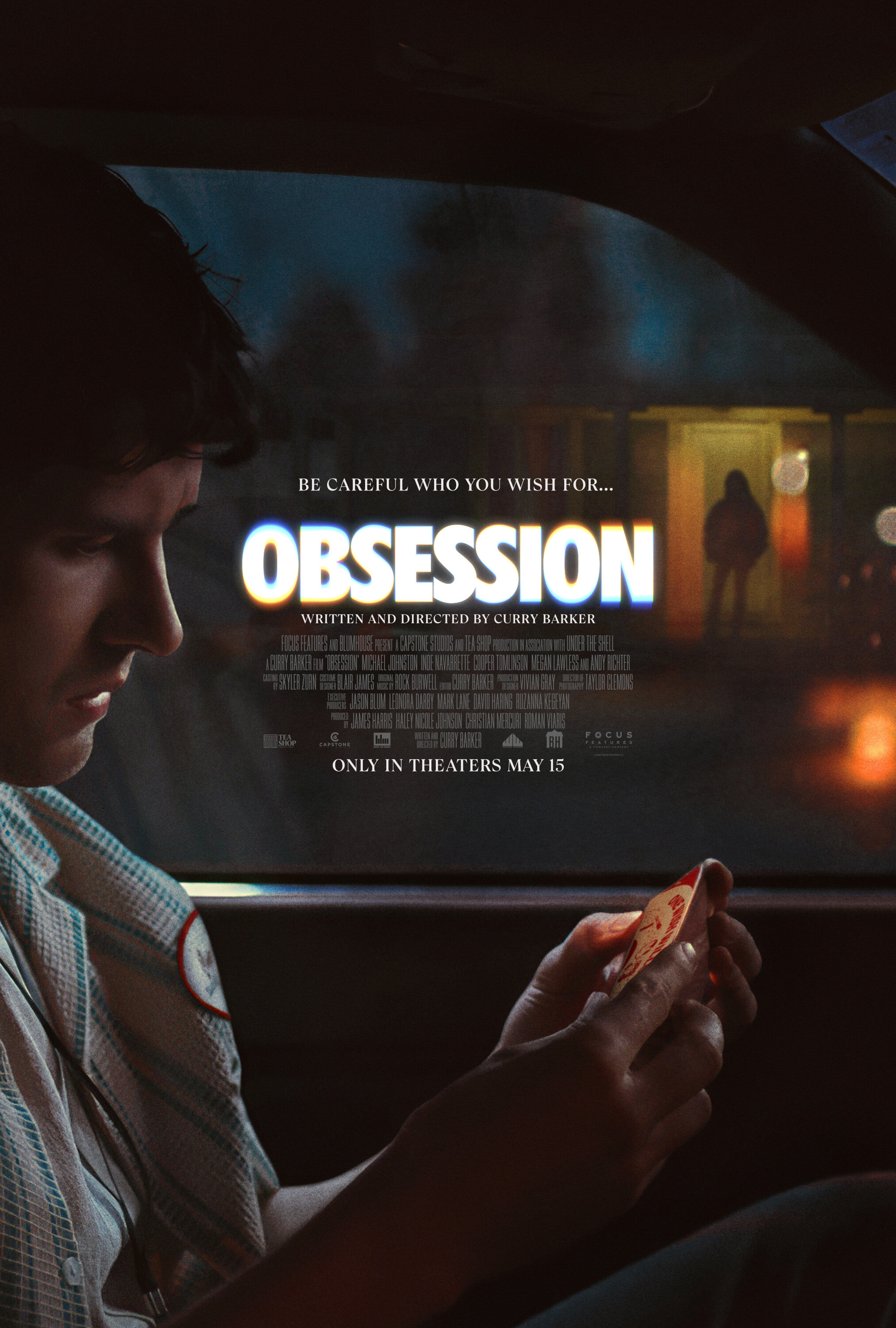
A guy wins his crush's heart by making a wish with the mysterious "One Wish Willow".