FilmsDraft
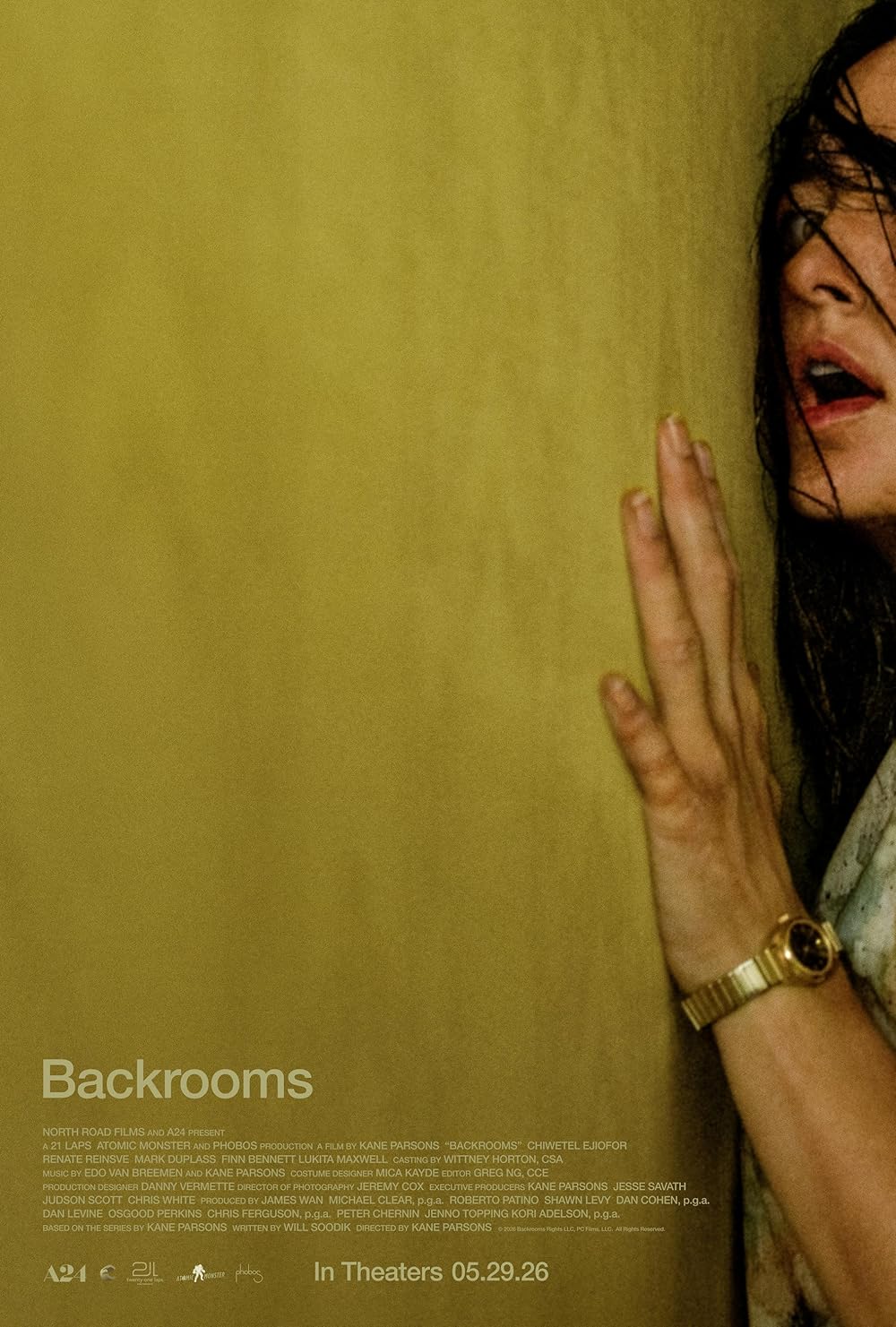
Backrooms
Kane Parsons, Will Soodik
A strange doorway appears in the basement of a furniture showroom.
Psychological HorrorThriller
Brandon Cronenberg
This review is currently a draft.
While staying at an isolated island resort, James and Em are enjoying a perfect vacation of pristine beaches, exceptional staff, and soaking up the sun. But guided by the seductive and mysterious Gabi, they venture outside the resort grounds and find themselves in a culture filled with violence, hedonism, and untold horror. A tragic accident leaves them facing a zero tolerance policy for crime: either you'll be executed, or, if you're rich enough to afford it, you can watch yourself die instead.
Mood
Intrigued
Pacing
Tripping
Aftertaste
Headache
Would Revisit
Maybe later
Recommendation
If you like weird movies!
— Do you worry they got the wrong man? Do you think, I mean, looking back on it, they killed the real James? That was my biggest fear after my own experience. Because you wake up in that little room, and for all you know, they could've just swapped you out. Hard to say what happened while you were asleep.
A couple of months ago my mutual posted a really interesting review of Infinity Pool (further in the text), and after watching the trailer we were genuinely intrigued — so we decided to check it out. It was quite an experience!
First, I liked the main cast: Alexander Skarsgård, Mia Goth, Cleopatra Coleman and Jalil Lespert, who in some scenes reminded me of Willem Dafoe with his facial expressions.
The masks were honestly the most terrifying part of the film for me. I’m not sure what it is about them, but they unsettled me far more than anything else happening on screen.
Some of the film’s meanings are fairly straightforward — rich people escaping consequences because of money, and how the avoidance of punishment leads to increasingly reckless behaviour and worse crimes. But I also saw something else.
I read James as a mentally castrated man — he doesn’t like being financially supported by his wife and he can’t even succeed in his own field of writing. He’s fundamentally dissatisfied with his life and his role in the relationship. That’s why he gravitates so quickly toward the other couple as soon as Gabi hits that sensitive spot and then “seduces” him with the idea of becoming a real man through sweat and blood. It’s also why he keeps coming back to these people even when he’s frightened by what they’re doing and forcing him to do. He wants to become what society calls a real man, but he’s too afraid to take the bold steps required. Even at the end, he refuses the order and won’t kill the “dog” until it attacks him first, and then unleashes all his accumulated anger and dissatisfaction onto it. The breastfeeding scenes read as a rebirth of James.
The breakfast scene, where James acts like a bully and provokes another tourist by spitting olives at their table, shows us another mentally castrated man on the other side — one who can’t say or do anything, just silently seethes and then leaves rather than confronting the situation. It also quietly suggests that this world isn’t built for non-confrontational people: if you don’t claim something, someone bolder will take it — even without the knowledge or qualifications to deserve it!
Here’s the interpretation from a mutual of mine who is currently studying psychology to become a therapist:
For me, this film is a story about rejection by a narcissistic mother. The main character spends the entire film in “earn love” mode — trying to reach her, to get that look, that acceptance he never received as a child. The film portrays a narcissist’s self-hatred in a really powerful and brutal way. Not just sadness, but pure rage.
The moment where Skarsgård kills the dog — which is essentially a projection of his worthless self — in the most brutal way possible, with his bare hands, is a scene of suicidal aggression. He’s destroying the part of himself that his mother hated, and that he eventually came to hate himself.
And then the scene that might look unsettling from a moral standpoint, but is psychologically brilliant: Mia Goth, who here functions as the figure of the rejecting mother, offers him her breast. It’s a moment of merger — the one he was denied. She accepts him. Not as a man, not as a partner, but as an infant. She finally gives him what he needed his whole life: unconditional love, literally “food”, safety, a return to the womb. She sees him. And in all that horror — because it’s incestuous and deeply disturbing — his trauma is healed. Even if it happens through something like death and complete madness.
I’ve seen this idea come up in many reviews, and I don’t personally agree with it — that humans are only civilised because they’re forced to be, and would otherwise behave worse than animals. But I do think that patriarchy — and men — push this idea deliberately, because patriarchy is built on destruction, physical force and dominance. To keep people supporting this system, you need them to believe that without it, everything collapses into chaos. It’s the same logic men use when they deny the existence of female oppression and femicide today — while simultaneously fearing that if women gained power, they’d take revenge and treat men the same way men have treated them.
The film is definitely weird, uncomfortable at times and not for everyone — but if you enjoy this kind of cinema, I highly recommend it, and 8/10!
May 27, 2026Kane Parsons, Will Soodik
A strange doorway appears in the basement of a furniture showroom.
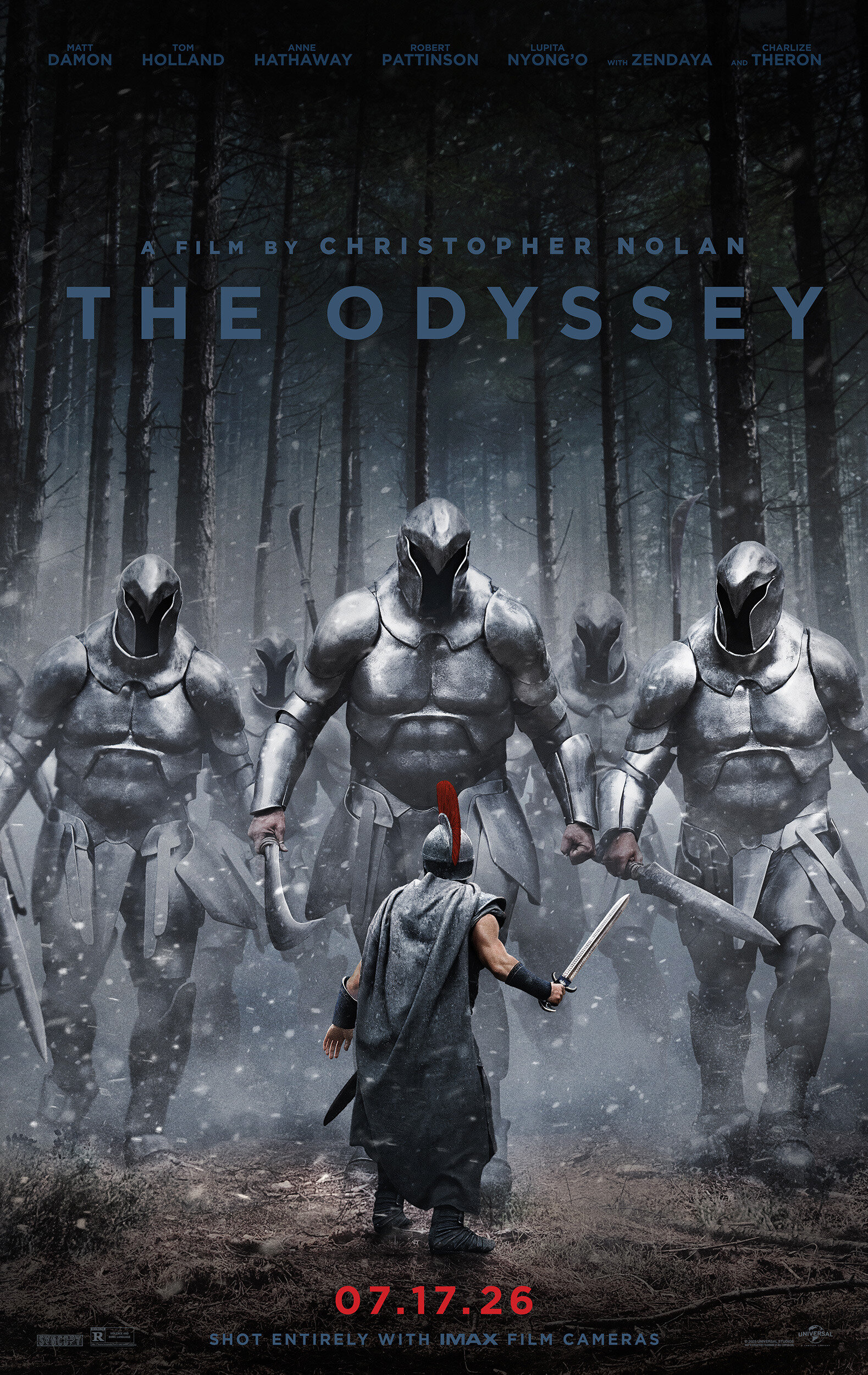
Christopher Nolan, Homer
After the Trojan War, Odysseus faces a dangerous voyage back to Ithaca.
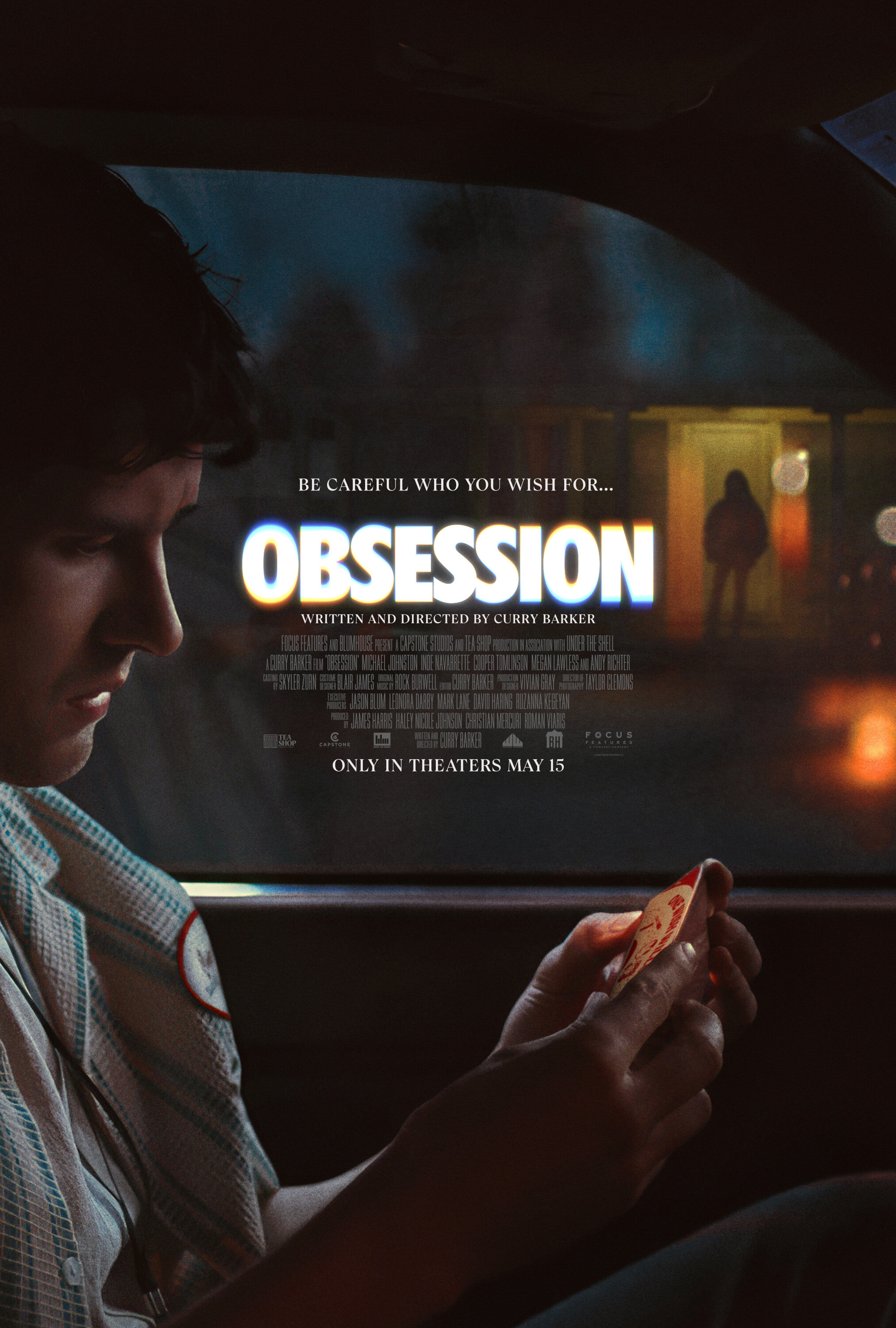
Curry Barker
A guy wins his crush's heart by making a wish with the mysterious "One Wish Willow".