FilmsDraft
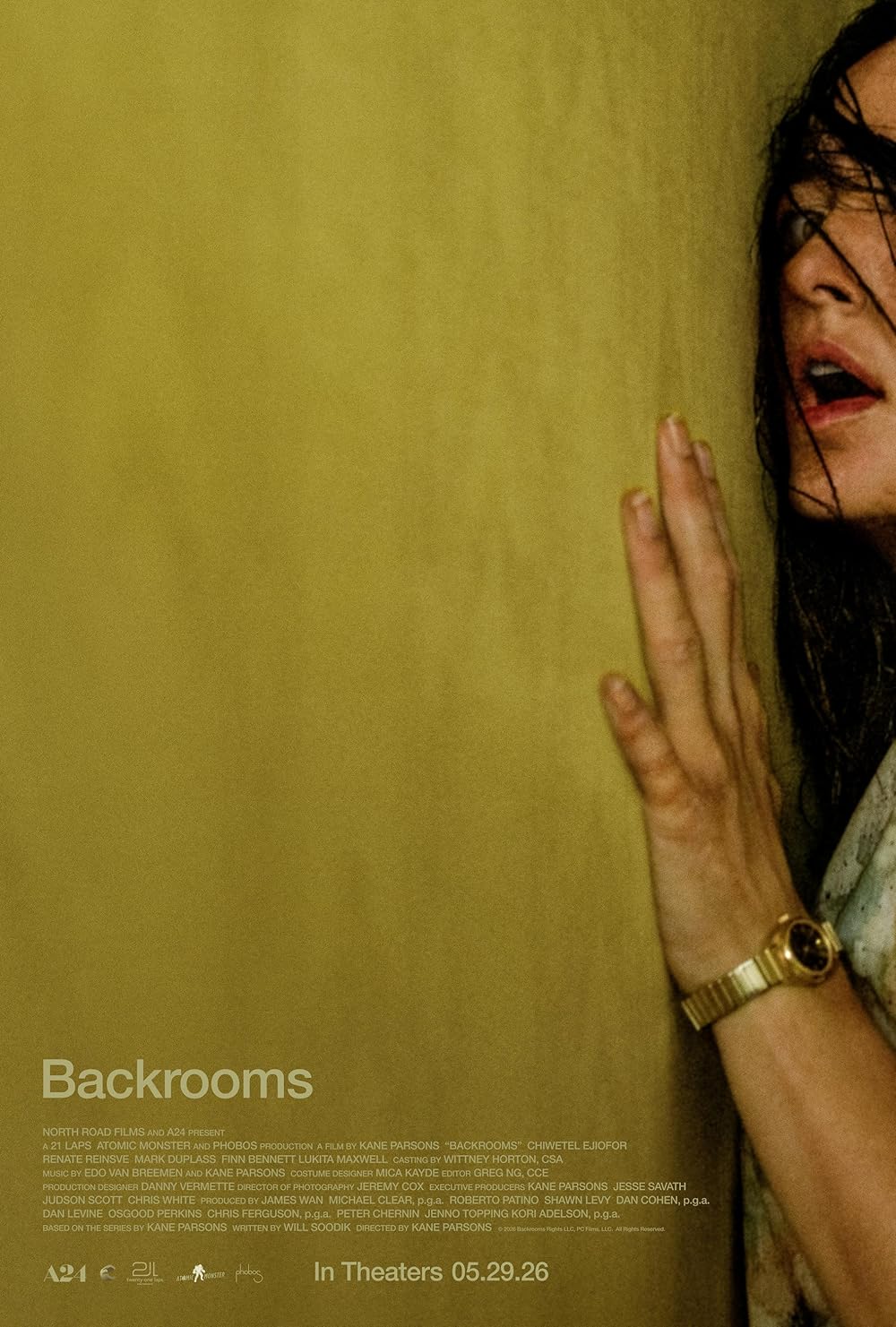
Backrooms
Kane Parsons, Will Soodik
A strange doorway appears in the basement of a furniture showroom.
Psychological HorrorThriller
Emerald Fennell
This review is currently a draft.
A modest landowner living in northern England at his decaying estate, Wuthering Heights, one day takes in a homeless boy and brings him home. The owner's daughter Catherine names him Heathcliff, and the two children become inseparable. Years later, when her father has spent the last of his money and Catherine must marry, she reaches for what she sees as the only suitable option — a young wealthy man who has recently settled nearby. Heathcliff, who loves her, leaves Wuthering Heights in despair — only to return years later as a man of means.
Mood
Curious
Pacing
Unexpectedly nice
Aftertaste
Surprised
Would Revisit
Maybe later
Recommendation
Yes, if you're curious or want to support women in art
Whatever our souls are made of, his and mine are the same.
When I first saw the trailer I was disappointed and decided not to go to the cinema — it felt over-sexualised, and even without having read the book I knew enough about it to tell this wasn’t a faithful adaptation. The negative reviews I saw afterwards confirmed my concerns. But then I came across an interesting TikTok where someone argued that most people had missed the point of the film, so I decided to watch it at home. Everything below is said without reference to the book, since I haven’t read it.
First of all — the visuals are stunning. Everyone who worked on this project did a great job: the costumes, the set design, and the landscapes are all just beautiful!
Even though I like Margot Robbie, I don’t think the casting was quite right. Robbie and Jacob Elordi don’t fit these roles — not just in terms of age and physical description, but because they had zero chemistry. It never felt like they actually had feelings for each other; it felt like a performance. In my opinion, someone like Mckenna Grace and Milo Manheim would have been a much better fit, at least in terms of age and how the characters are described in the book. Owen Cooper, on the other hand, was a perfect choice for young Heathcliff as a counterpart to the adult version Elordi plays.
The music choices also felt a bit off. The soundtrack in the opening scenes fit perfectly, but the rest felt too modern and out of place for this story.
The opening scene of the film is perfect — it sets the tone beautifully and immediately reflects how the audience approaches it: noticing only the sexual and romantic elements, even in the middle of a literal execution. Because while the film is about a relationship between two people, it’s not exactly a good one — it’s toxic and deeply unhealthy. I also read it as a quiet nod to the viewers who came specifically for the sexual scenes that the creators made sure to highlight in the trailer.
There are a lot of interesting details throughout the film. Catherine’s skin room, for example, gave me the feeling that it represents her inner self — a huge space that’s almost entirely empty, except for herself. A kind of loneliness and inner emptiness made visible.
The scenes with sexual subtext work well because they show us desire and tension rather than spelling everything out. It also reminded me of repressed sexuality — when everything starts to feel erotic or take on double meaning once someone becomes consumed by it.
I found what Fennell did with Isabella’s character after she marries Heathcliff really interesting. It doesn’t feel like romanticising abuse — it felt more like a different perspective on how women with low self-esteem can allow disrespectful, unloving men into their lives just for a little attention. Isabella also read as someone with deeply suppressed sexuality, and there’s something very real in how people who were shamed into purity can go to extremes once they finally get close to the object of their desire. It also touches on how dangerous that can be. And of course, the film raises the broader issue of people who sexualise abuse — which is exactly what many readers of the original Wuthering Heights do, seeing it as a passionate and tragic love story rather than a story of unhealthy and abusive dynamics.
Some of the scenes and transitions are genuinely beautiful — the moment with Catherine and Isabella in the dining room with the dollhouse scene, the room with the sparkling blue walls that in certain angles looks almost like fish skin. Her new home with Edgar feels cold inside in a way that perfectly reflects her feelings toward him. And the fireplace with hands is just on another level entirely!
My main criticism is that the film needed to be a bit longer to properly develop the tension between adult Catherine and Heathcliff — before she got married and he left. We only got a few brief moments of it, which felt too thin. I wanted to actually feel something between them, not just be shown a few short scenes and expected to fill in the rest myself.
Nelly’s character is also fascinating. It feels like she never got over the jealousy and resentment she felt towards Catherine as a child, when Heathcliff entered the family — and so she quietly manipulates situations to come out on top. Her decisions contribute directly to the tragedy at the end, and it doesn’t feel accidental that she ignored Catherine’s words when it mattered most. Nelly is the least likeable character for me, precisely because she doesn’t appear to do anything openly wrong. But people who cause harm quietly, while appearing to be your friend, are often the most dangerous kind.
One more observation: many people hated this film for not following Emily Brontë’s story — while at the same time loving and praising Guillermo del Toro’s Frankenstein, which also didn’t follow its source material but was made by a man. And in my opinion, del Toro’s version was actually more simplified, while Wuthering Heights was made more layered and complex. To me, that’s a pretty clear sign of the misogyny still embedded in how we receive art. Yes, I’m THAT woke!
Overall, the film has its flaws and its great moments — it's not nearly as bad as people say. It could have been better in some areas, but it's genuinely fine. I'd recommend it to anyone curious, and to anyone who wants to support women's work. 7.5/10.
April 28, 2026Kane Parsons, Will Soodik
A strange doorway appears in the basement of a furniture showroom.
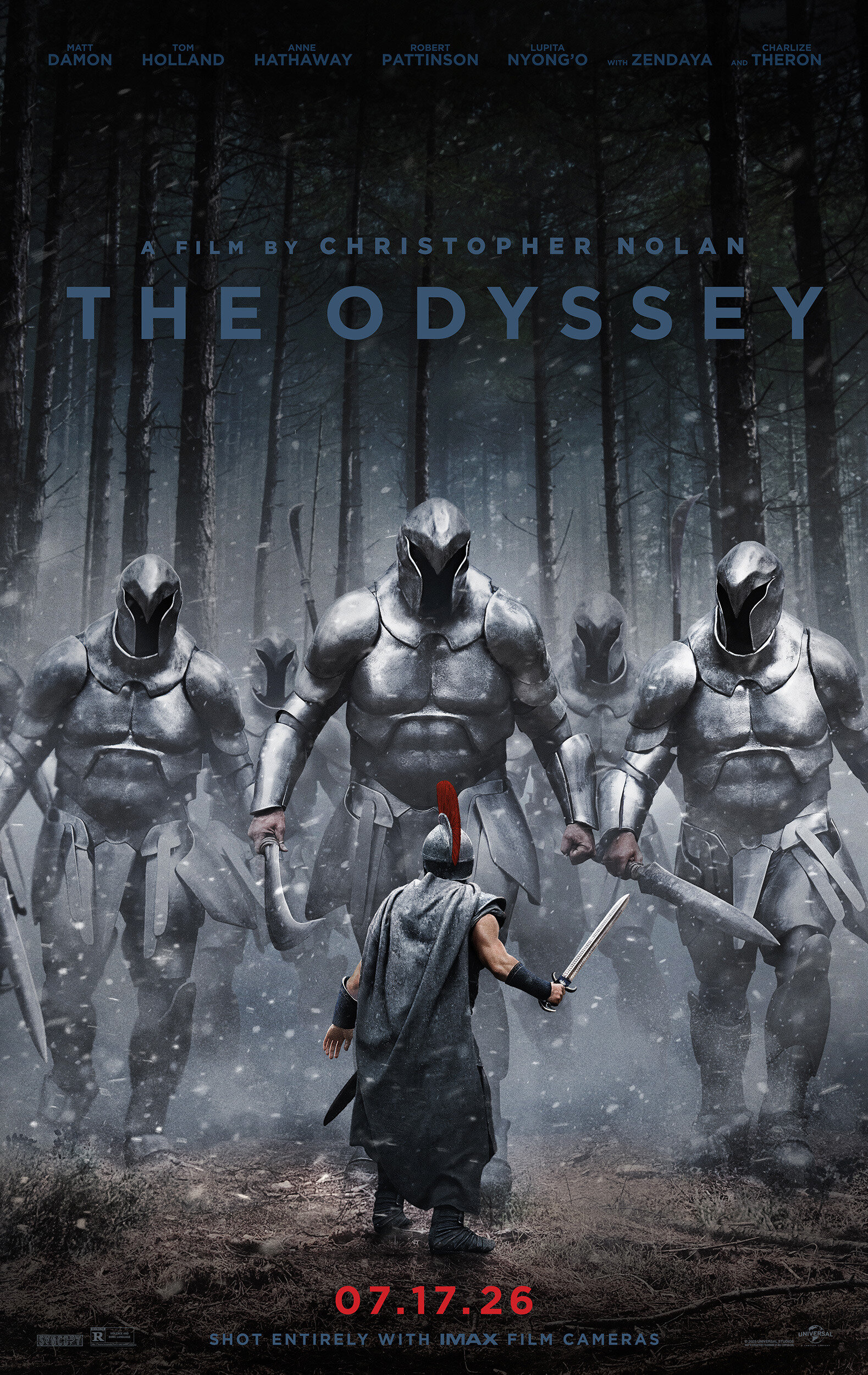
Christopher Nolan, Homer
After the Trojan War, Odysseus faces a dangerous voyage back to Ithaca.
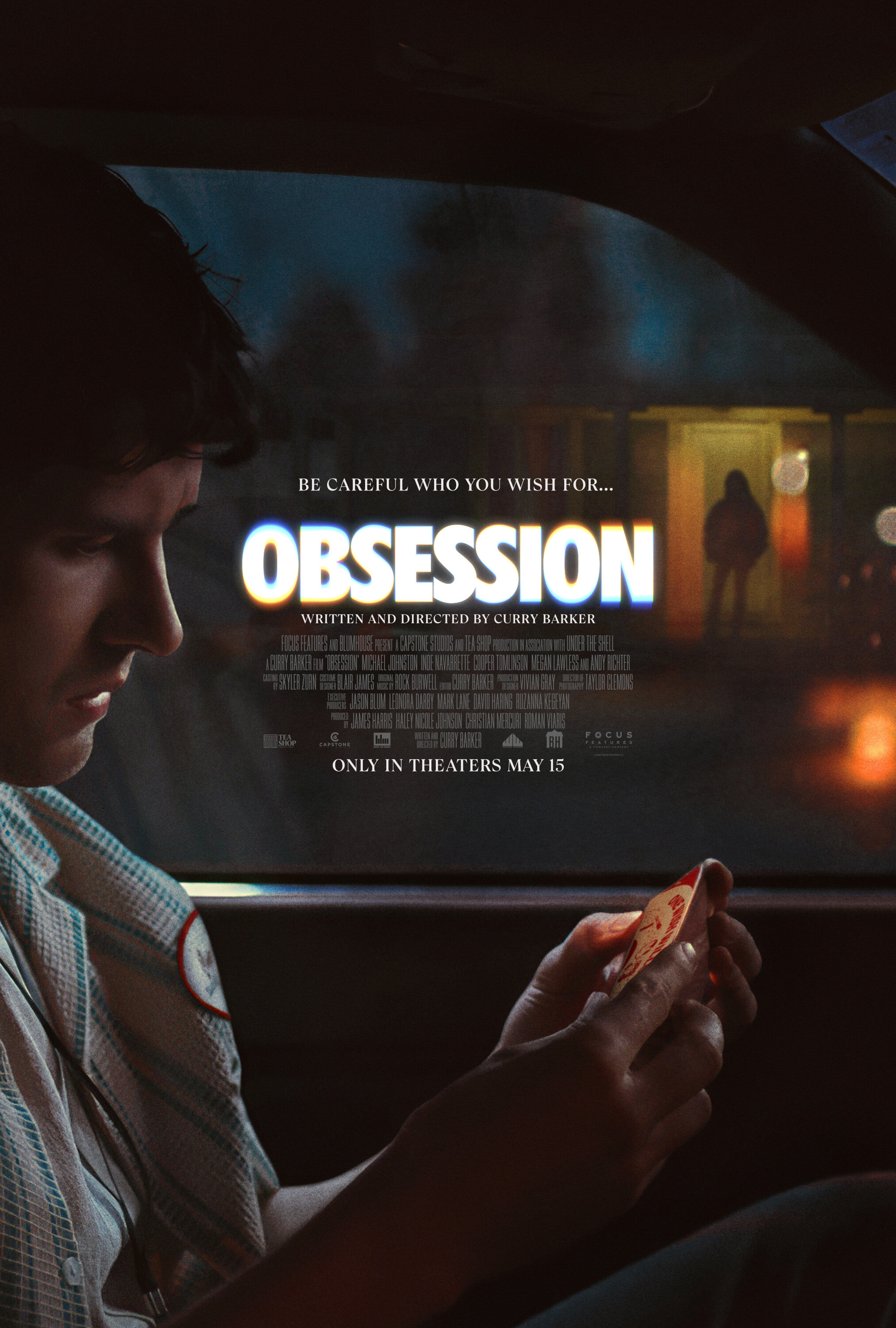
Curry Barker
A guy wins his crush's heart by making a wish with the mysterious "One Wish Willow".