FilmsDraft
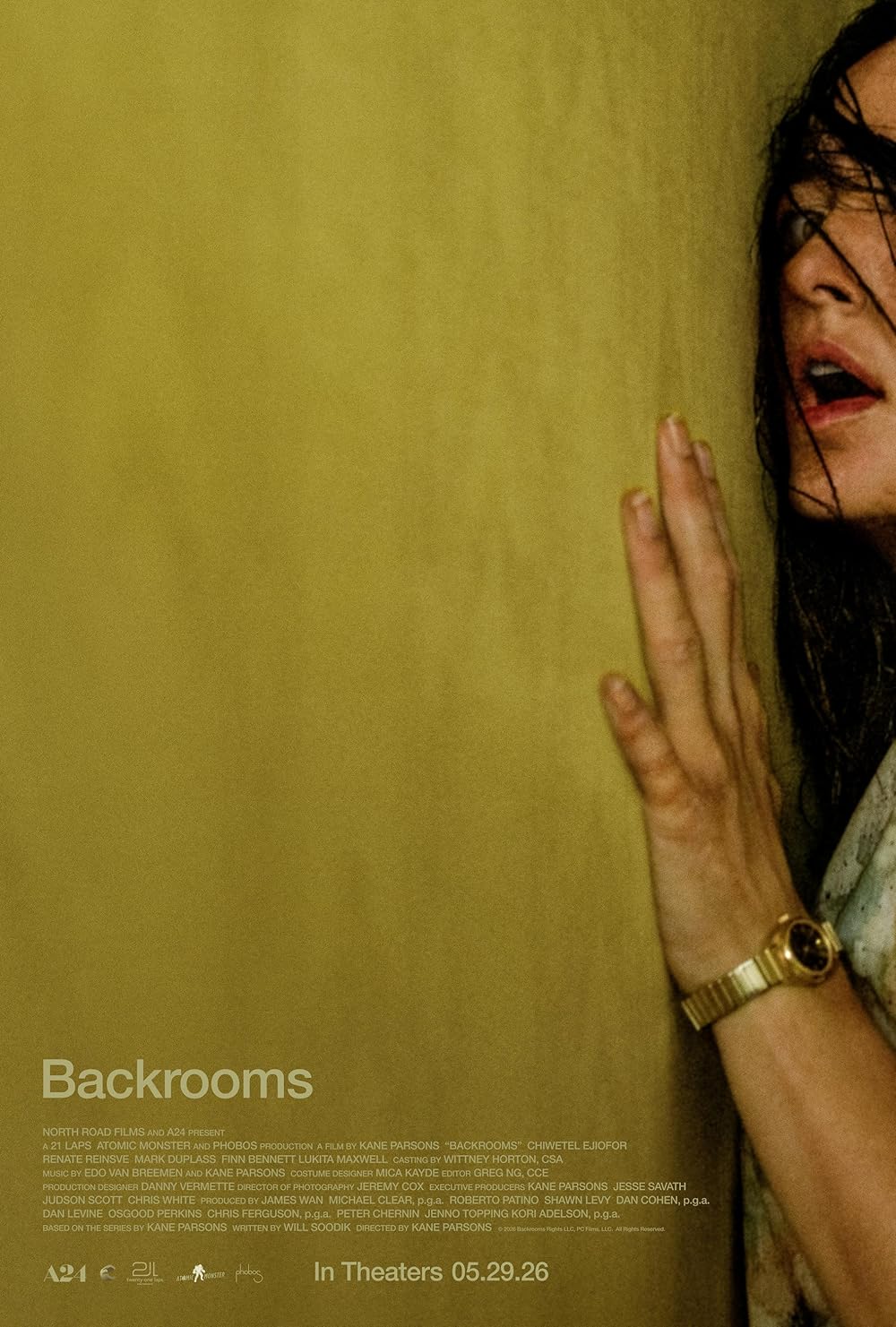
Backrooms
Kane Parsons, Will Soodik
A strange doorway appears in the basement of a furniture showroom.
Psychological HorrorThriller
Chinua Achebe
This review is currently a draft.
On the edge of the Evil Forest lived the people of the Nine Villages. They lived as their ancestors had lived for centuries before them — the remarkable Igbo people — and they worshipped their capricious, all-too-human gods and their strict yet benevolent spirits. They performed rituals that seemed strange and cruel to foreign eyes. They went to war and made peace, raised children, worked the fields and brought in the harvest. They drank homemade palm wine and made merry at festivals. And then the Europeans came — intent on teaching the black savages to live as the white man lived, to believe as the white man believed, and to raise their children as the white man did. Powerful, civilized people, ready to bring happiness to the people of the Nine Villages with an iron hand. But who, and when, has ever truly made anyone happy against their will?
Mood
Curious
Pacing
Engaging
Aftertaste
Thoughtful
Would Revisit
Maybe later
Recommendation
Yes, if you want to try something new!
A man belongs to his fatherland when things are good and life is sweet. But when there is sorrow and bitterness he finds refuge in his motherland.
This book is the first in the “African Trilogy”, which consists of Things Fall Apart, No Longer at Ease and Arrow of God. Despite being quite short — only 256 pages — it doesn’t read quickly, due to its specific style and narrative. But it’s very engaging.
This is a story not only about the colonisation of African countries and the destruction of their traditional way of life and culture, but also about the destruction of a person’s inner balance and the devastating consequences of their choices.
From the very beginning, we’re presented with a protagonist who is already coming apart. Okonkwo is ashamed of and hostile toward his lazy, unsuccessful father, struggles with aggression, and is heavily dependent on social approval and status. He is unable to adapt when life forces him to change — and he doesn’t treat all of his children equally.
It’s also clear from early on that some villagers join the Christian church because they find something there that their own religion or community couldn’t give them, or because they already disagreed with something in their world. This is what begins to fracture the commune from within.
Those were good days when a man had friends in distant clans. Your generation does not know that. You stay at home, afraid of your next-door neighbour. Even a man’s motherland is strange to him nowadays.
I liked that the author doesn’t present the situation as black and white, with one side clearly good and the other clearly bad. We see the pros and cons of both. Both systems have their strengths and their failures. I’d even say this isn’t really a clash of two different worlds, but of two surprisingly similar ones — not in origin, but in structure — since both groups are deeply religious, strongly tied to their traditions, and convinced they’re right.
The story also made me think about mono- and polytheism, and how the religion a society chooses reflects its way of life: one has a group of leaders and elders (polytheism, horizontal hierarchy), the other has a single leader or church (monotheism, vertical hierarchy). You can also map this onto the divide between collectivism and individualism — or roughly, communism and capitalism — as systems of social organisation.
Overall, it was really interesting to discover a Nigerian author and this work. If I find the other two books from the trilogy, I'll read them to find out what happens next. In the meantime, I'd recommend this to anyone who wants to read something outside the American-European or Asian literary canon, and 7.5/10!
May 11, 2026Kane Parsons, Will Soodik
A strange doorway appears in the basement of a furniture showroom.
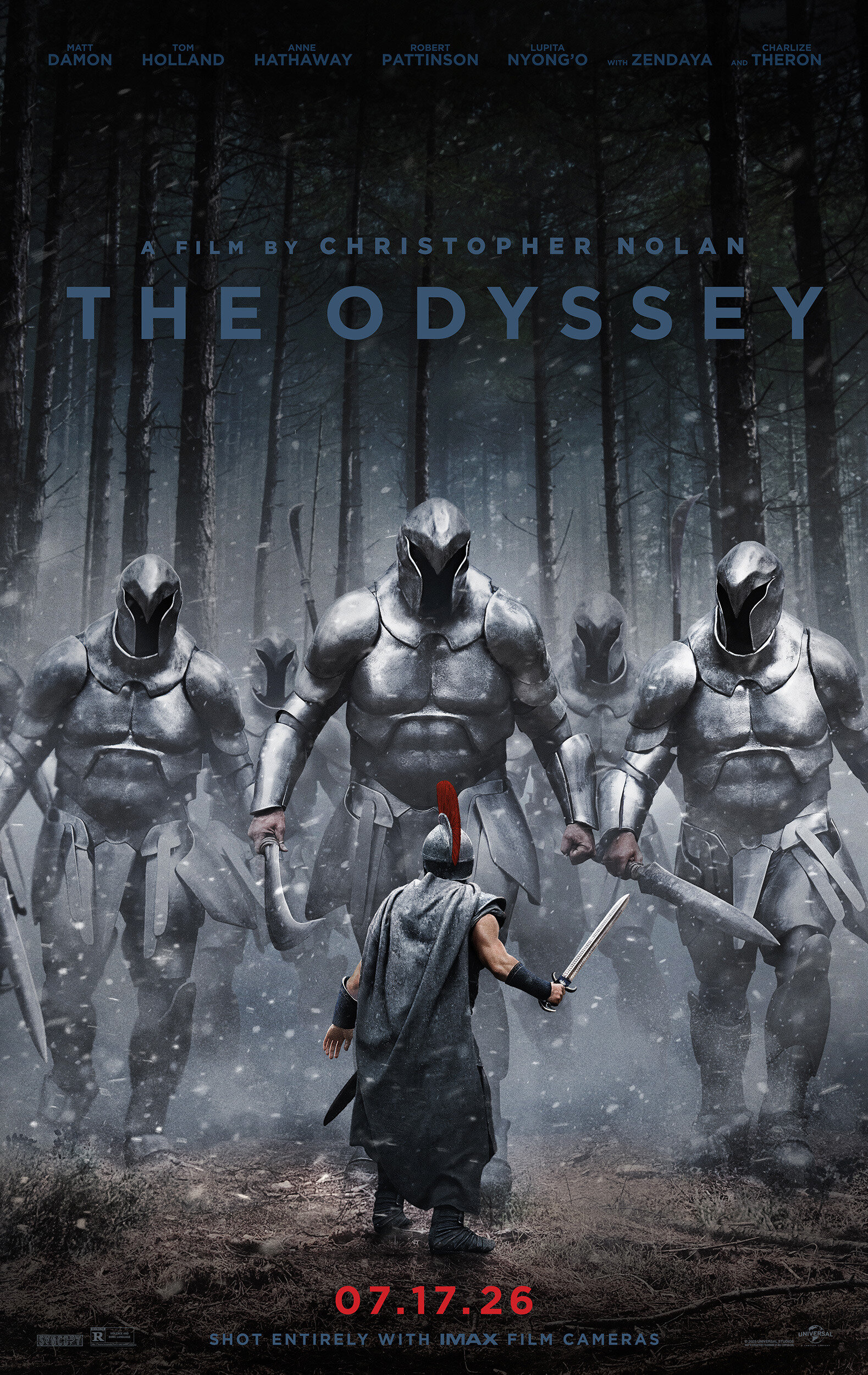
Christopher Nolan, Homer
After the Trojan War, Odysseus faces a dangerous voyage back to Ithaca.
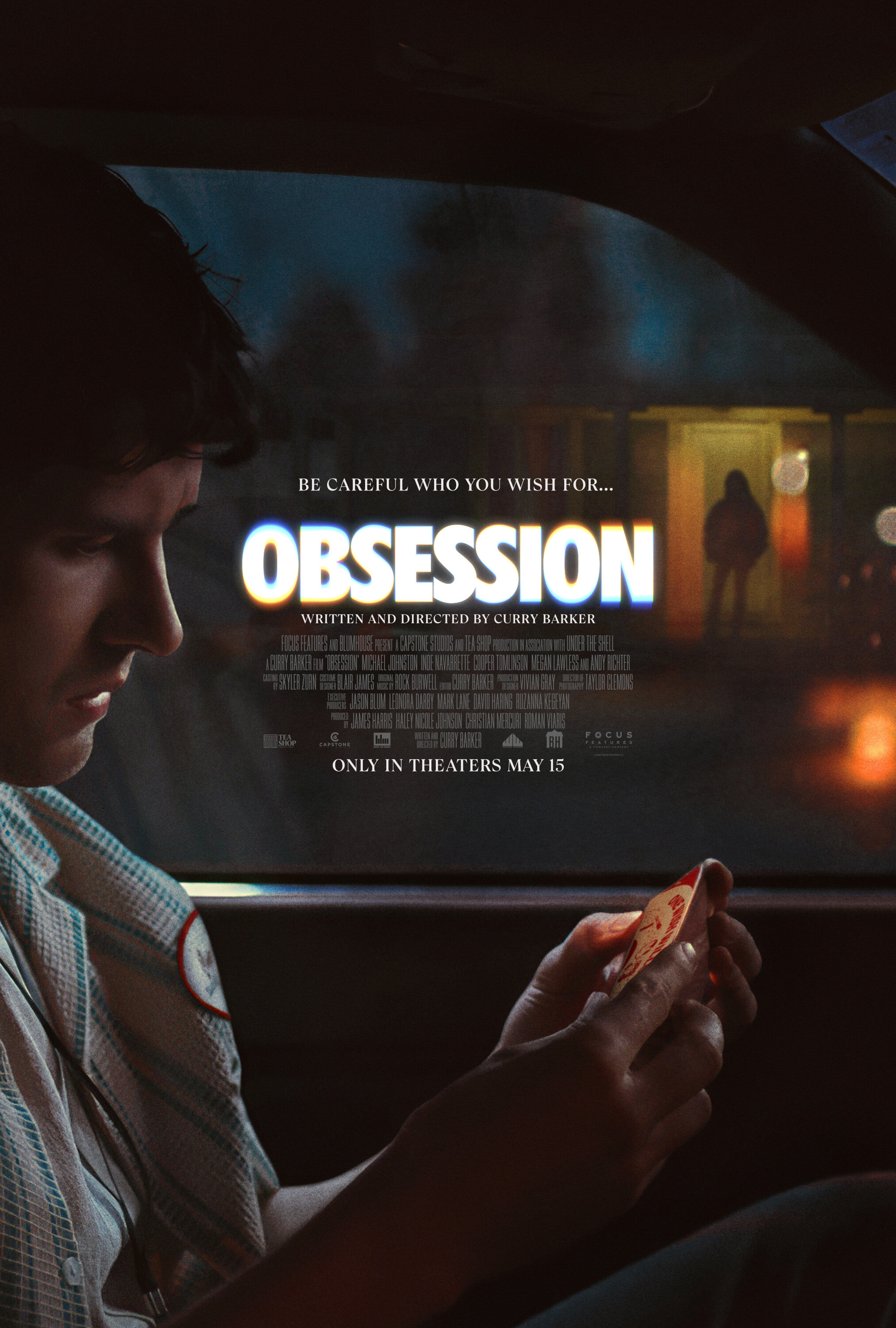
Curry Barker
A guy wins his crush's heart by making a wish with the mysterious "One Wish Willow".