FilmsDraft
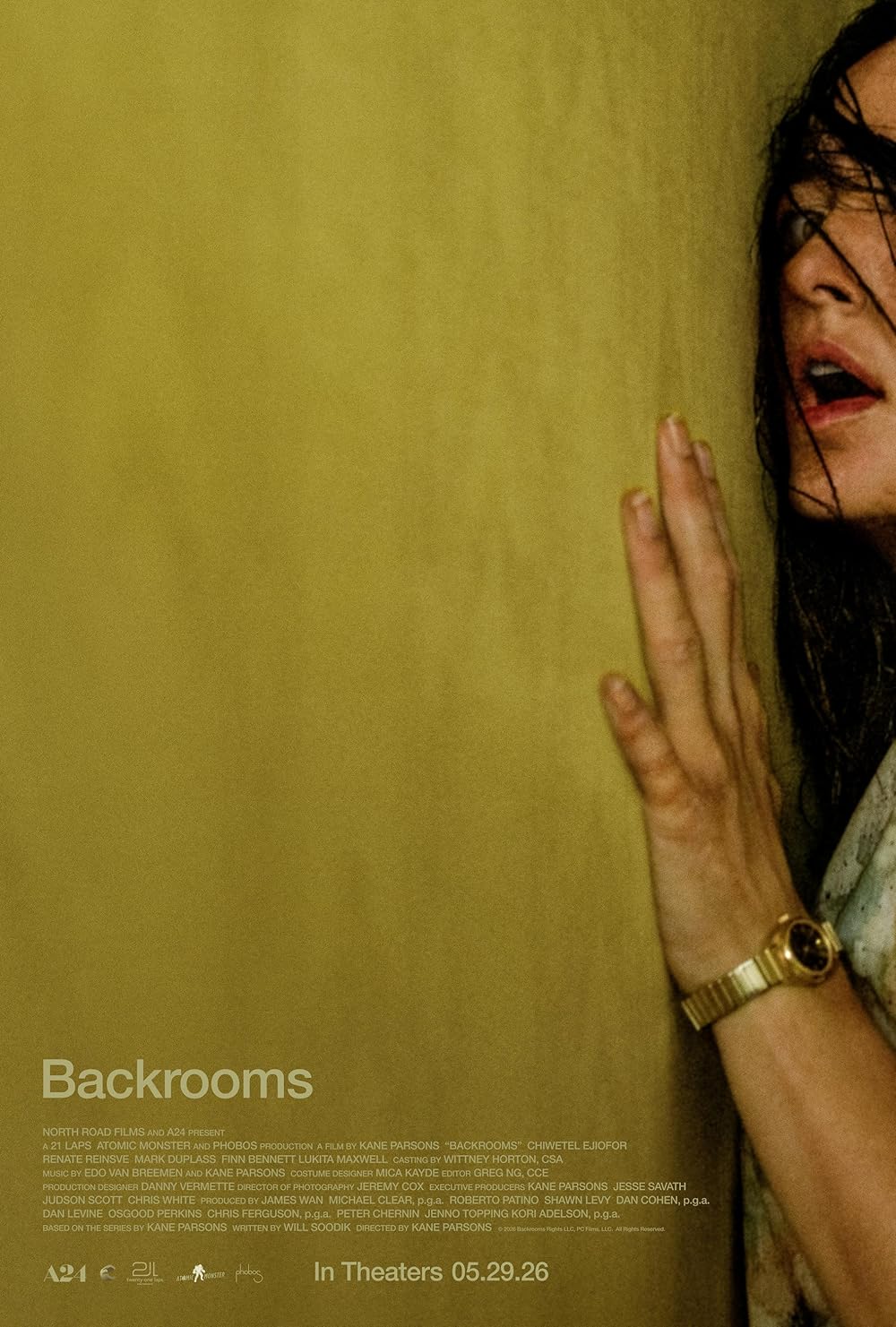
Backrooms
Kane Parsons, Will Soodik
A strange doorway appears in the basement of a furniture showroom.
Psychological HorrorThriller
Darja Suri
This review is currently a draft.
In this piece I'll walk you through how the idea for the story came to me, what meanings and symbolism I embedded in it, and everything you might have missed on your first read.
Mood
Excited
Pacing
Smooth
Aftertaste
Relieved
Would Revisit
Hm, maybe (he-he)
Recommendation
Definitely yes!
The old lighthouse stands on a small rise, where the wind often moves freely, sometimes producing sounds like cries of despair.
In this article I’d like to share everything about Part of the Lighthouse — starting with where it came from.
It all began with a horrifying film adaptation of a true crime story based on a survivor’s memoir: Cleveland Abduction. I was a teenager at the time, and one question haunted me throughout the whole film “How did no one notice what was happening right in front of their eyes?”. A man abducted three girls (aged 14, 17 and 21) brought them home in the middle of the day in a suburban neighbourhood, and no one noticed a thing. How is that even possible?!
Almost ten years later, we moved to an area near a park with a lighthouse. What surprised me was that the lighthouse stood quite far from any water, which made me curious about how it ended up there. In one of those moments of wondering, these two worlds collided. Two questions became one, and that’s how the idea for the story was born.
Spoilers ahead from this point on!
I wanted to open the story cinematically — like a first shot that starts on the lighthouse, slowly pulls back to reveal the space around it, moves into the park where everything unfolds, and then at the end reverses: closing in on the park, moving back to the lighthouse, and finally stepping inside. Although I didn’t particularly like Shirley Jackson’s The Haunting of Hill House as a book, the way she describes the house was definitely an inspiration for that opening. The rule that gets broken early on is also a reflection of something that surfaces in the epilogue: people tend to break rules they don’t consider worth following.
In January, readers meet the first named character — Nicholas. I wanted to show, without saying it directly, that this man is going through a hard time: through his burnout, his exhaustion, his inability to focus.
February carries a quiet nod to Valentine’s Day and how people can overlook even the most important things when it comes to those they love.
March introduces the second named character — Tom, who shares the same worn-down quality as Nicholas, because he’s been searching for his missing sister. The names are intentional: they’re the story’s way of telling the reader that these two men matter and are connected. One of the most important moments in this chapter is that Tom comes closest to solving the puzzle — he notices movement near the lighthouse entrance, but gets distracted by something as small as the weather. The elderly woman with a cane who appears briefly here will return months later, in November.
April introduces a girl with a camera. I wanted to touch on how potential victims of abusers are often shaped long before any harm occurs — through the way a father gaslights his daughter, teaches her to doubt herself, and dismisses her sensitivity and intuition. Those are precisely the instincts that can protect a woman from falling prey to manipulative men. Women who are raised to doubt themselves and blindly comply often become easy targets.
May features me and my husband walking our dogs — a real conversation we had, including the dogs’ very typical behaviour. It also shows how easily we can see something without truly looking at it. People pass by, notice things, even ask themselves questions, and never follow through.
June introduces a character whose interiority is unsettling in a very specific way. Unlike most of the people passing through the park, the runner isn’t just background — his thoughts give him away. The phrase “he tries her on” was chosen deliberately, to show that he treats women like objects, something to possess rather than someone to see.
July draws from a real incident — the time we were attacked by a swan at a picnic. It fit the story perfectly because I had never thought of such a graceful and innocent looking creature as something capable of causing chaos. The contrast of a warm summer day and a sudden, unexpected threat that no one initially takes seriously felt very right. The way the bird violently crosses every boundary, and there’s nothing you can do — mirrors other situations where danger comes from someone we never suspected. The way everyone quickly moves on and forgets about the incident was intentional: it reflects how we normalise frightening events and return to comfort, ignoring what was just revealed. As an anxious person, I kept glancing back at the pond, and I put that in the text too.
August brings another character: a man in withdrawal, making a temporary home in the small wooded area near the lighthouse. This image was inspired by Austin Abrams’ character in Weapons — a film I loved, and a performance that simply stayed with me.
September is me again. Walking through a violent rainstorm, watching lightning split the sky — it touched something deep and primal in me. That feeling of knowing intellectually that you’re in danger and being completely unable to move. It’s also the second time in the story that weather acts as a distraction from what’s happening inside the lighthouse.
October brings Nicholas’s colleague — a park worker who finds the missing persons flyer, feels like he should say something, and doesn’t. Whether it’s not knowing how to bring it up, or not wanting to reopen a wound, he throws it away and carries on. The word “cycle” at the end of this chapter is not only about nature — it’s a reference back to April, and the cycle of abuse.
November is one of the most layered chapters for me, because I was writing one thing while knowing readers might read it differently depending on where they stand. The language, including the descriptions of the surroundings, was chosen to show a woman who is too stubborn and too proud to make the first move and call her children. She waits for them to call, even though she wants and needs it, and can’t admit that to herself. She has become her own kind of captor — holding herself back from the one thing she actually wants. Her behaviour also hints at why the children may have pulled away: everything circles back to her.
December is a quiet closing chapter. The park empties. The only constant that remains is the lighthouse — the one presence the reader has watched throughout the entire year.
The Epilogue is the first and only time readers see the inside of the lighthouse, and from the moment they cross the threshold, something feels off. The outside doesn’t match the inside. As they move further in, it becomes clear that something important is about to be revealed. The missing girl is not missing at all — she is trapped inside the lighthouse, sending signals that no one noticed. I left a thread connecting the kidnapper back to the runner in June: someone who appears disciplined, physically capable, healthy looking — all qualities we tend to admire — and who uses all of that to cause destruction and pain.
The final paragraph was inspired by Viktor Frankl’s Man’s Search for Meaning. What struck me most was his observation that many deaths in the camps came not from torture or starvation, but from the loss of hope — after which people could die within a day. That stayed with me. It says something profound about how essential hope is, and how important it is to hold onto something when life feels unbearable and there seems to be no way out.
Metaphors & Symbolism
The lighthouse is traditionally a symbol of guidance, safety and hope. In this story, that image is inverted: the light comes from a place that is itself a source of danger. The lighthouse becomes a prison, and the light it emits, which should call for help, goes unnoticed by everyone around it. There’s also a parallel between the lighthouse’s deceptive exterior and the runner and the swan: things that appear safe, graceful or disciplined on the outside, concealing something else entirely.
What I wanted to say
I wanted to draw attention to the fact that tragedies often unfold right in front of us, and we don’t see them, or we choose to make things sound better than they are, so we don’t have to intervene. This is one of the things that troubles me most. As a teenager, I experienced sexual harassment on public transport, and no one intervened — not even the many adult men who were present. One older woman stood up for me. That experience never left me.
I hope this story makes people a little more attentive to surroundings, and a little more willing to act.
I also wanted to avoid telling readers what to think or feel. I don’t like being told how to experience a story, so I didn’t write one that way. The hints are there. The meaning is there. But I wanted readers to arrive at it themselves.
I'd love to know what you noticed that I didn't mention here — sometimes readers find things the author never intended, and that's one of my favourite parts of writing. Also, the lighthouse is still there. So is the story.
May 16, 2026Kane Parsons, Will Soodik
A strange doorway appears in the basement of a furniture showroom.
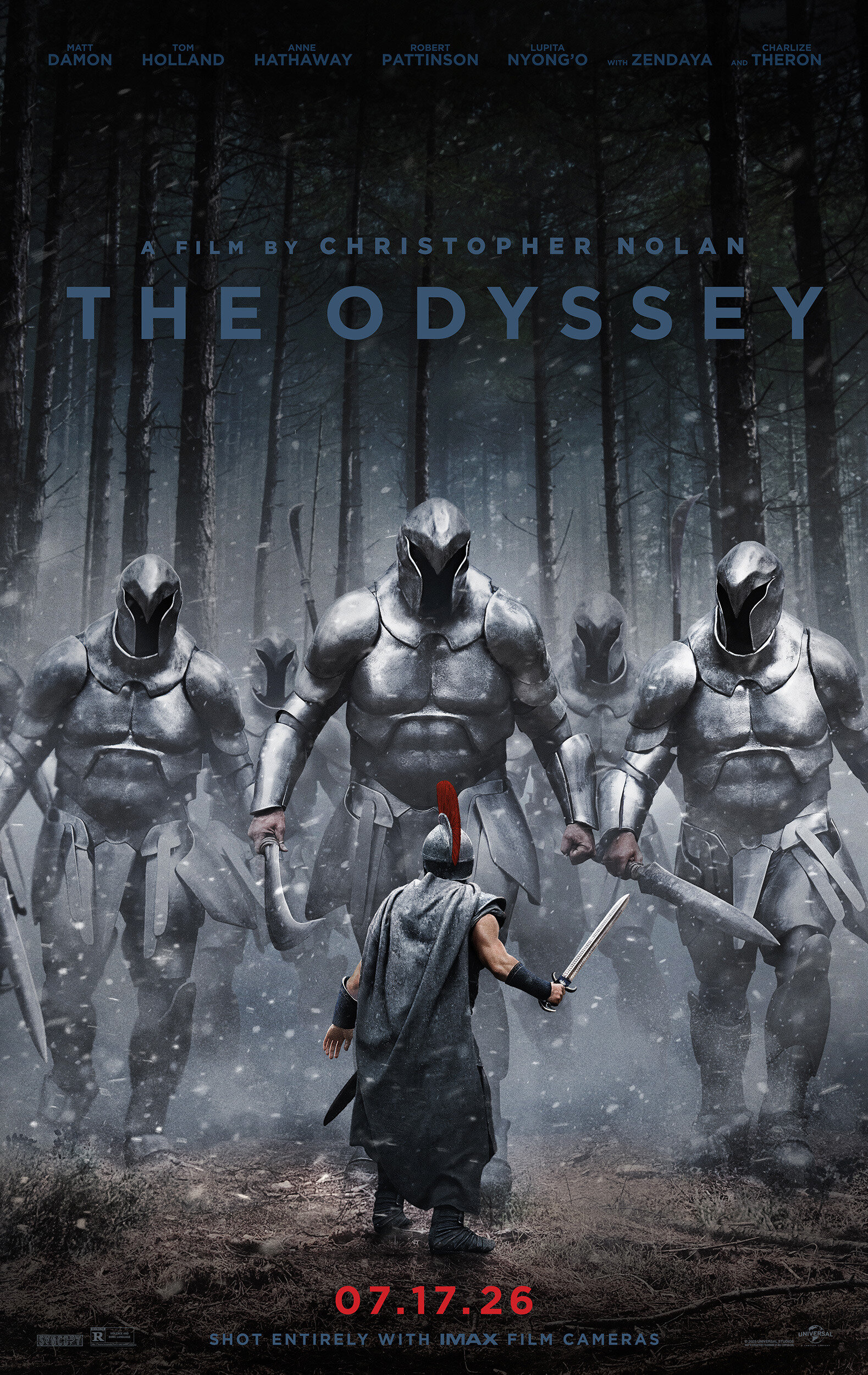
Christopher Nolan, Homer
After the Trojan War, Odysseus faces a dangerous voyage back to Ithaca.
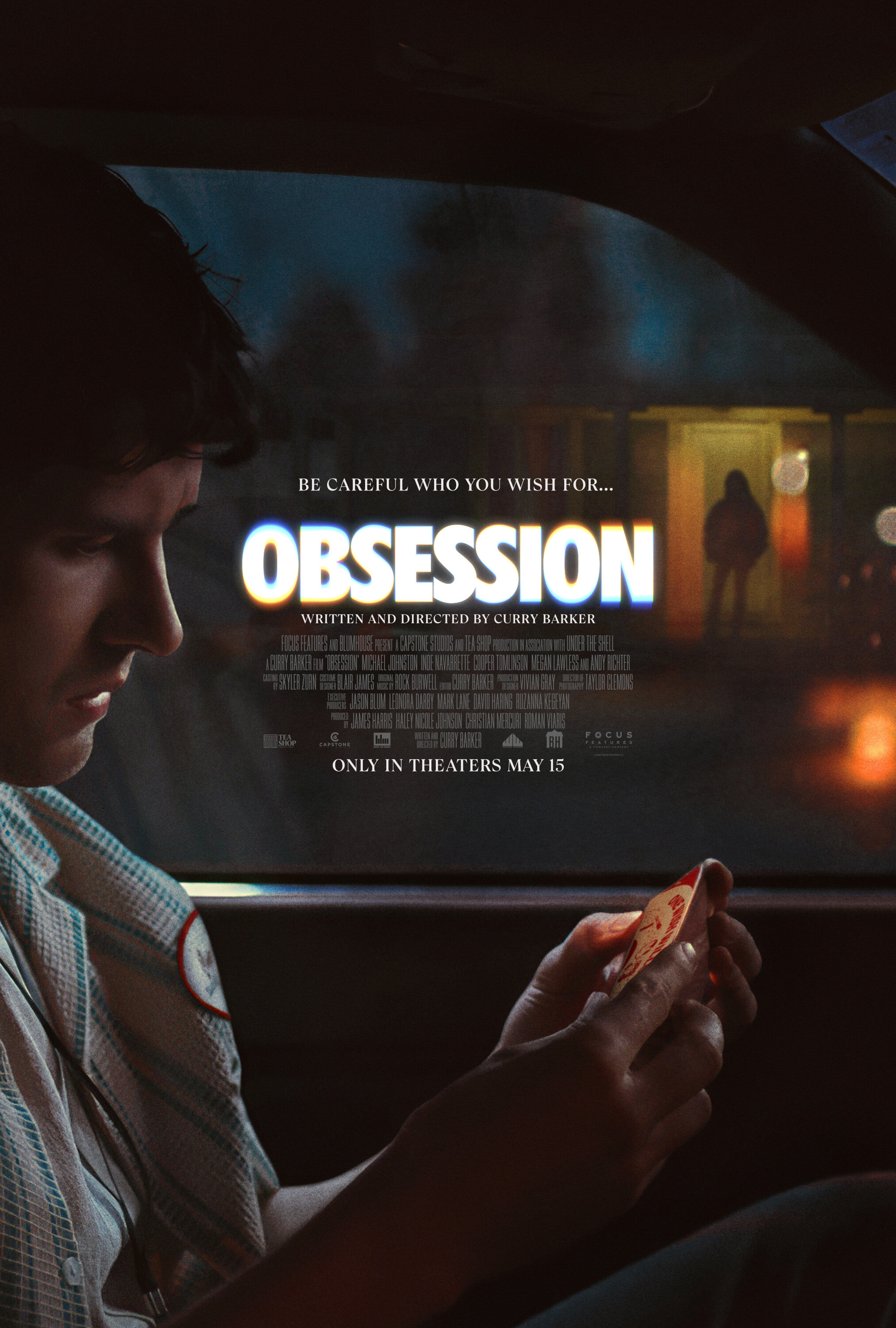
Curry Barker
A guy wins his crush's heart by making a wish with the mysterious "One Wish Willow".