FilmsDraft
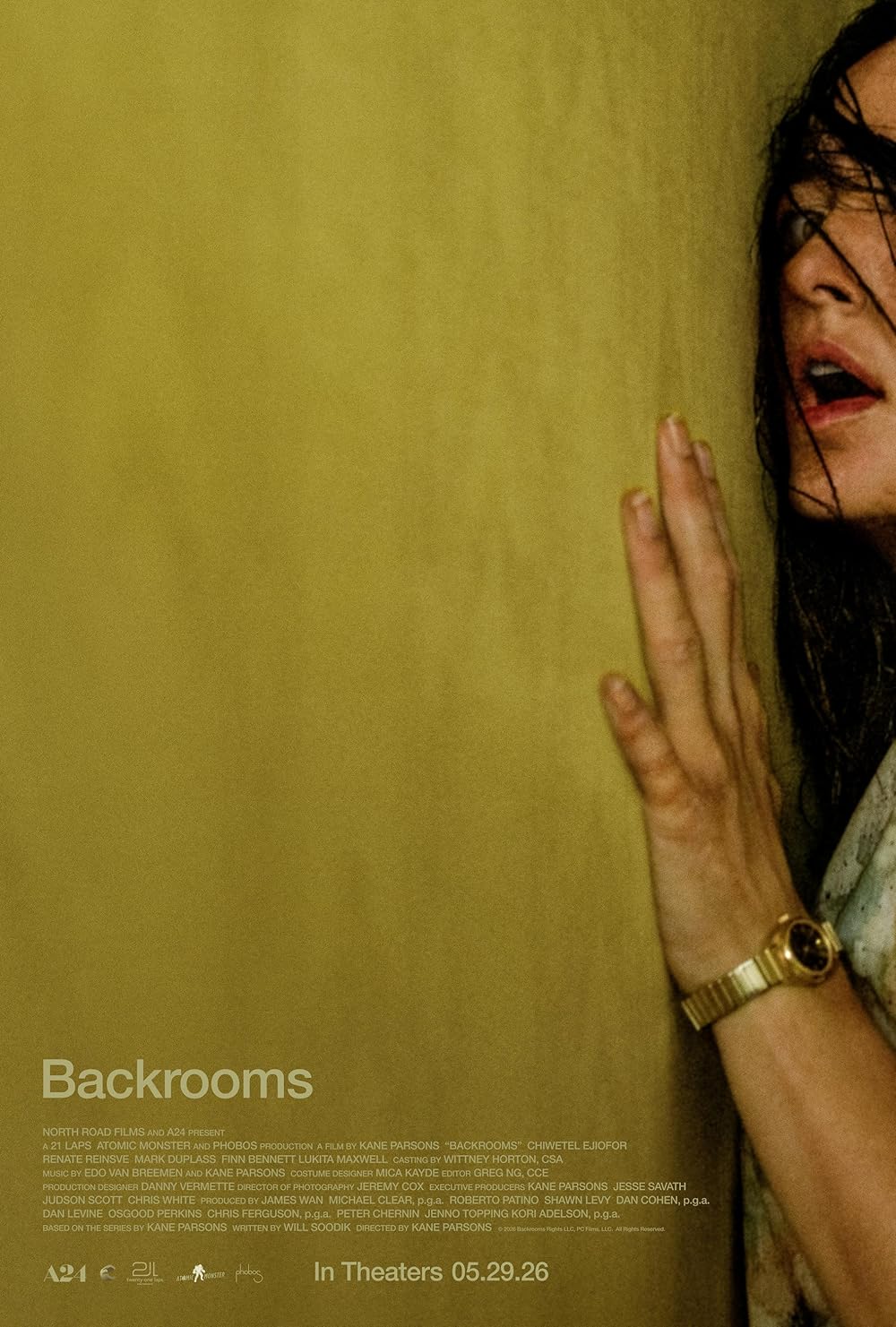
Backrooms
Kane Parsons, Will Soodik
A strange doorway appears in the basement of a furniture showroom.
Psychological HorrorThriller
Denis Villeneuve, Wajdi Mouawad
This review is currently a draft.
Nawal, a dying Middle Eastern woman living in Montreal, leaves separate letters to her twin children to be read once she passes away. Jeanne is to deliver hers to the father the twins never knew, and Simon is to give his to the brother they never knew they had. The siblings travel to the Middle East separately, where they each experience acts of brutality, uncover a startling family history, and have revelations about themselves.
Mood
Excited
Pacing
Confused
Aftertaste
Outraged
Would Revisit
Hell no
Recommendation
Never
— Childhood is a knife stuck in your throat. It can't be easily removed.
After coming across a random recommendation on Instagram and checking the ratings — IMDb 8.3, Kinopoisk 8.1, Rotten Tomatoes 91% — plus an Oscar nomination, I was intrigued and decided to find out what kind of masterpiece this was. That was my mistake…
Honestly, this is probably the first time I’ve encountered a situation where everyone rates something so highly and I’m left in complete shock.
The film is an adaptation of the play of the same name by Wajdi Mouawad, which is itself partly based on the life of Lebanese communist militant. I know nothing about the play, so I’ll speak strictly about the film.
This review contains spoilers — it’s impossible to explain why the film is so bad without them. So, let’s begin.
1. The plot twist. The only twist the audience waits nearly two hours for is incest. Yes, the creators couldn’t come up with anything better than that. And yes, I know it’s meant to be a modern Oedipus story, but it’s a very weak payoff — and everything else that’s wrong with the film only makes the situation worse.
2. The timeline. The film has no coherent narrative timeline, which makes it extremely hard to follow what’s happening at what point in the mother’s life. I’ll be calling her Nawal from here on.
3. The illogicalities. Below are some of the most absurd plot points in the film — and I genuinely don’t understand how people glossed over all of this.
First: Nawal chose to start searching for the son she abandoned at precisely the moment war, chaos and carnage broke out around her. Why did she wait so long? And why did the war suddenly awaken her maternal instincts? The film has no answer.
Second: As a young woman, Nawal assassinated a political and religious leader responsible for orchestrating a massacre of Muslims — and then was simply… forgotten about. When she was caught, she wasn’t executed on the spot, but imprisoned for 15 years. Not tortured. Only raped near the end of her sentence. And after giving birth to twins in prison, she was released. Just think about that: people who shot an entire busload of civilians for their religion, shot a small child in the back, and burned the bus full of bodies, but did nothing particularly violent to the woman who killed their ideological leader. Very plausible.
Third: Nawal spent 15 years in prison with no access to good food or medical care, and yet came out looking exactly the same, with her health completely intact. She didn’t lose a single pregnancy despite trying to abort them, carried twins to term, and gave birth on her own. Not one lost tooth, not one strand of grey hair, no vitamins required. Modern women can only dream!
Fourth: Nawal’s twins were fathered by her own son — the one she had abandoned — whom she happened to encounter again in prison, where he worked as a guard and raped her. The risk of serious genetic abnormalities in children born from a mother-son relationship is between 30% and 50%. The twins are completely healthy. Miracle!
Fifth: Towards the end of her life, Nawal is living in Canada. And — completely by coincidence, like everything else in this film — she runs into her rapist son, who happens to live in the same neighbourhood and happened to go to the same pool on the same day at the same time. At this point I wanted to scream.
Sixth: Nawal has no real motivation. She is essentially forcing her children to discover that their father is their brother and their mother’s rapist. Why? Why do they need to carry this information? The film never answers this — or much else, really.
Seventh: At the end, the twins deliver two letters to their brother-father — letters Nawal wrote to her rapist and to her son — and the whole thing drowns in sentimentality and drama that comes from nowhere. And one of the letters says the twins were conceived in love. LOVE, CARL! Love is abandoning your baby — who was himself conceived through rape — never looking for him your entire life, then being raped by him in prison, giving birth to his children, and on your deathbed deciding to play the role of the forgiving saint.
This is brutal. I’m still reeling, even now. It’s one of the most absurd films I’ve ever seen. After all I’m not surprised this story was created by men — every single one of those cases shows it perfectly.
I’m aware this film isn’t presented as a true story or based on real events, but that doesn’t make it any easier to swallow, knowing that the story is heavily influenced by the Lebanese Civil War and the real case of political prisoner Soha Bechara. It feels much closer to recent history than to a fairy tale or a Greek myth, which makes the absurdities even harder to ignore.
Overall, I would never recommend this to anyone under any circumstances. 2/10, purely for a few individual scenes and the visuals.
January 13, 2025Kane Parsons, Will Soodik
A strange doorway appears in the basement of a furniture showroom.

Christopher Nolan, Homer
After the Trojan War, Odysseus faces a dangerous voyage back to Ithaca.
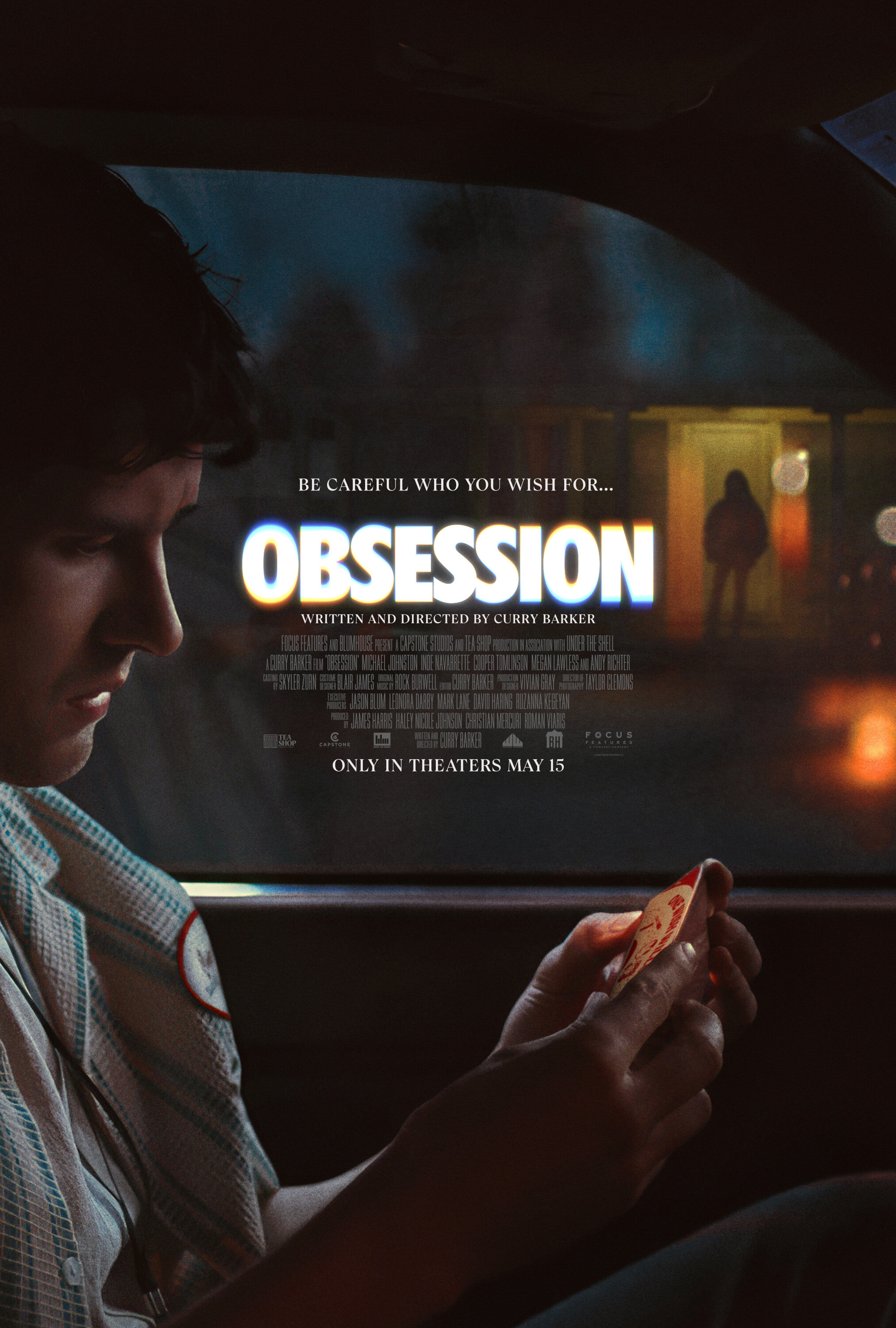
Curry Barker
A guy wins his crush's heart by making a wish with the mysterious "One Wish Willow".